
Tropical Style House Design
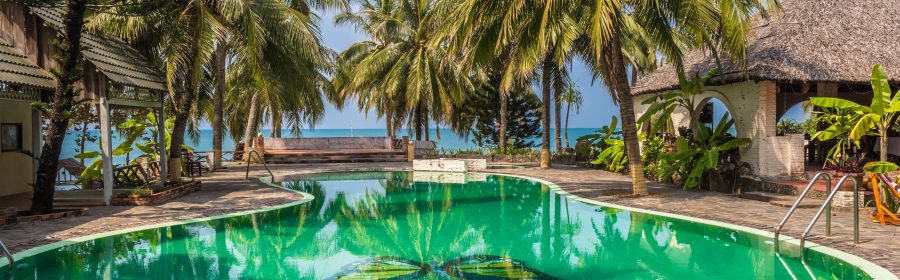
Tropical style house design is known for its relaxed atmosphere, open layouts, and strong connection to nature. Inspired by coastal and island living, this architectural approach focuses on maximizing natural light, ventilation, and outdoor integration. Homes designed in tropical style often feel airy, refreshing, and effortlessly inviting—making them ideal for warm climates and homeowners who appreciate laid-back elegance.
Beyond aesthetics, tropical design also emphasizes practicality. Wide overhangs, large windows, and natural materials help regulate indoor temperatures and enhance comfort. Whether building a new home or renovating an existing one, incorporating tropical elements can transform a property into a serene retreat. By blending organic textures, earthy tones, and seamless indoor-outdoor transitions, homeowners can achieve a harmonious environment that promotes relaxation and sustainable living. Understanding the key features of tropical architecture makes it easier to create a space that feels both stylish and climate-responsive.
Open Layouts and Natural Ventilation
One of the defining characteristics of tropical homes is their open floor plans. Large, unobstructed spaces allow air to circulate freely, reducing the need for excessive air conditioning. High ceilings further enhance airflow and create a sense of spaciousness.
Strategically placed windows and sliding glass doors encourage cross-ventilation. This natural cooling method is especially beneficial in warm climates, helping maintain comfort without relying heavily on mechanical systems.
Within practical tropical home architecture and climate-responsive design concepts, airflow management is a primary focus. Wide verandas and shaded patios extend living areas outdoors while protecting interiors from direct sunlight.
An open layout not only improves ventilation but also fosters a seamless connection between different living zones, promoting a relaxed lifestyle.
Embracing Natural Materials and Textures
Tropical design heavily incorporates natural materials such as wood, bamboo, rattan, stone, and linen. These elements add warmth and authenticity to the home’s aesthetic.
Wooden beams, woven furniture, and textured fabrics create depth while maintaining simplicity. Stone accents in flooring or walls enhance durability and natural appeal.
Neutral color palettes—beige, sand, soft greens, and ocean blues—reflect the surrounding landscape. These tones evoke calmness and complement abundant greenery.
Incorporating sustainable materials aligns with environmentally conscious building practices. Natural textures not only enhance beauty but also improve long-term functionality.
Indoor-Outdoor Living Integration
Seamless integration between indoor and outdoor spaces is a hallmark of tropical style. Large glass panels, folding doors, and open terraces blur the boundary between interior rooms and gardens.
Outdoor lounges, dining areas, and swimming pools become extensions of the home. Landscaping with palm trees, tropical plants, and water features enhances the island-inspired ambiance.
Within refined modern tropical house interior and outdoor living solutions, transitional spaces are carefully designed to balance privacy and openness. Covered patios and pergolas provide shade while maintaining airflow.
This integration encourages outdoor relaxation and social gatherings, creating a resort-like experience at home.
Climate-Smart Roofing and Shading
Tropical houses are designed to withstand heat and heavy rainfall. Sloped roofs with wide overhangs protect against intense sun and sudden downpours.
Roof materials often include clay tiles or metal sheets suited to humid conditions. Elevated foundations may also help prevent moisture damage.
Shading devices such as louvers, blinds, and extended eaves reduce direct sunlight exposure. These features maintain cooler indoor temperatures while preserving natural light.
Climate-smart construction ensures durability and comfort in tropical environments.
Minimalist and Relaxed Interior Styling
Tropical interiors emphasize simplicity and comfort. Furniture arrangements remain uncluttered, allowing natural light and airflow to dominate.
Decorative elements are intentional and minimal—woven baskets, potted plants, and subtle coastal accents add character without overwhelming the space.
Soft textiles and lightweight curtains enhance the breezy feel. Avoiding excessive ornamentation maintains a calm and welcoming atmosphere.
This minimalist approach reflects the laid-back spirit of tropical living.
Conclusion
Tropical style house design combines functionality, sustainability, and relaxed elegance to create homes that feel both refreshing and inviting. By prioritizing open layouts, natural ventilation, and seamless indoor-outdoor integration, this architectural approach enhances comfort in warm climates. The use of organic materials, neutral tones, and climate-smart construction ensures durability while maintaining aesthetic harmony. Tropical homes are designed to embrace their surroundings rather than isolate themselves from nature. Wide overhangs, shaded patios, and lush landscaping contribute to a serene environment that mirrors resort-style living. Minimalist interiors and thoughtful décor complete the look, promoting relaxation and simplicity. Whether located near the coast or in urban areas seeking a nature-inspired aesthetic, tropical design principles offer timeless appeal. By blending climate-responsive features with natural beauty, homeowners can create spaces that are not only visually striking but also environmentally efficient and comfortable year-round.