
How To Prevent Hair Fall
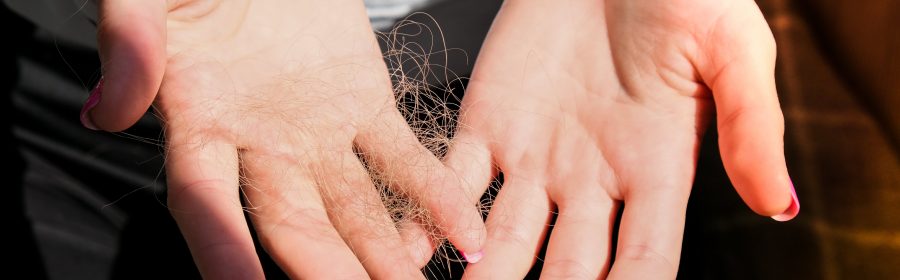
Hair fall is a common concern affecting both men and women at different stages of life. While losing a small amount of hair daily is normal, excessive shedding can become stressful and impact self-confidence. Hair fall may result from various factors, including genetics, hormonal changes, nutritional deficiencies, stress, and improper hair care practices. Understanding the root cause is the first step toward preventing further loss.
Modern lifestyles, environmental pollution, and frequent use of heat styling tools can weaken hair strands and damage the scalp. Fortunately, several preventive measures and treatments can help maintain strong and healthy hair. From improving dietary habits to adopting better hair care routines, small changes often lead to noticeable results over time. By focusing on scalp health, balanced nutrition, and gentle maintenance, individuals can significantly reduce hair fall and promote sustainable hair growth.
Understanding the Causes of Hair Fall
Preventing hair fall begins with identifying its underlying cause. Common triggers include hormonal imbalances, thyroid disorders, and hereditary conditions such as androgenetic alopecia. Stress and sudden weight loss may also lead to temporary shedding known as telogen effluvium.
Nutritional deficiencies—particularly low levels of iron, protein, vitamin D, and biotin—can weaken hair follicles. Additionally, harsh chemical treatments, tight hairstyles, and excessive heat styling contribute to breakage and scalp irritation.
Within structured hair loss prevention and scalp health management strategies, recognizing the root cause allows for targeted solutions. Treating symptoms without understanding triggers may delay effective recovery.
Consulting a healthcare professional for persistent hair loss ensures accurate diagnosis and appropriate treatment recommendations.
Improving Diet and Nutritional Intake
A balanced diet plays a crucial role in preventing hair fall. Hair follicles require adequate nutrients to remain active and healthy. Consuming protein-rich foods such as eggs, fish, lean meats, legumes, and nuts supports hair strength and growth.
Iron-rich foods like spinach and red meat help prevent deficiency-related shedding. Omega-3 fatty acids found in salmon and flaxseeds nourish the scalp. Vitamins A, C, and E contribute to overall scalp health and improved circulation.
Staying hydrated also supports healthy hair growth. Dehydration can lead to brittle strands and increased breakage.
Incorporating nutrient-dense meals consistently strengthens hair from within. Dietary adjustments often produce gradual yet lasting improvements in hair thickness and vitality.
Adopting a Gentle Hair Care Routine
Excessive styling and harsh products weaken hair over time. Using sulfate-free shampoos and mild conditioners protects natural oils that keep strands moisturized. Washing hair too frequently can strip essential nutrients from the scalp.
Limiting the use of heat styling tools such as straighteners and curling irons reduces damage. When heat styling is necessary, applying a heat protectant minimizes harm.
Avoid tight hairstyles that strain hair roots, such as tight ponytails or braids. These styles may cause traction alopecia over time.
Within comprehensive natural hair strengthening and damage control treatments, consistency in gentle care practices supports long-term results. Simple changes in daily habits significantly reduce breakage and thinning.
Managing Stress and Hormonal Balance
Chronic stress can disrupt the hair growth cycle, leading to excessive shedding. Practicing stress-management techniques such as meditation, yoga, or regular exercise helps stabilize hormonal fluctuations.
Adequate sleep allows the body to repair and regenerate, supporting healthy hair follicles. Hormonal imbalances related to pregnancy, menopause, or thyroid issues may require medical consultation.
Maintaining overall wellness indirectly supports hair health. Mental and physical balance contribute to stronger and more resilient hair growth.
Addressing stress not only benefits hair but also enhances overall quality of life.
Considering Professional Treatments
For persistent or severe hair fall, professional treatments may be necessary. Dermatologists may recommend topical treatments such as minoxidil to stimulate hair growth. Platelet-rich plasma (PRP) therapy is another option that encourages follicle regeneration.
Scalp treatments designed to improve circulation and remove buildup can also enhance growth conditions. Early intervention often prevents further progression.
Professional guidance ensures treatments are tailored to individual needs and underlying conditions.
Combining medical advice with healthy habits offers the most comprehensive prevention strategy.
Conclusion
Preventing hair fall requires a holistic approach that addresses both internal and external factors. Identifying underlying causes such as nutritional deficiencies, stress, or hormonal imbalances forms the foundation of effective prevention. A balanced diet rich in essential nutrients strengthens hair from within, while adopting a gentle hair care routine protects strands from damage. Managing stress levels and prioritizing overall wellness further supports healthy hair growth. In cases of persistent or hereditary hair loss, seeking professional treatment ensures timely intervention and appropriate solutions. Consistency remains the key to noticeable improvement—small, sustainable changes often yield long-term results. By combining proper nutrition, mindful hair care practices, and expert guidance when needed, individuals can significantly reduce hair fall and promote stronger, healthier hair. Ultimately, maintaining scalp health and overall well-being is essential for preserving natural hair vitality and confidence.