
How To Remove Different Scars
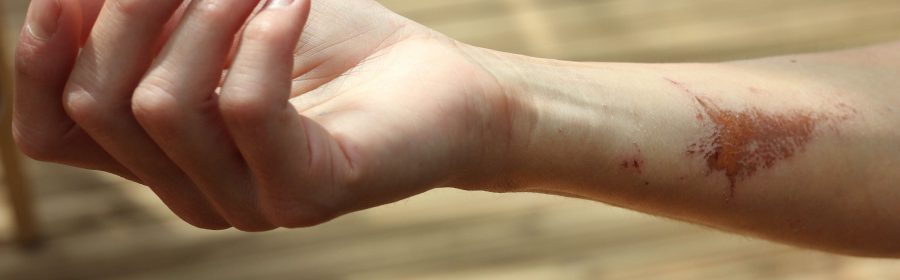
Scars are a natural part of the body’s healing process, forming after injuries, acne, surgeries, or burns. While they serve as evidence of recovery, many people seek ways to reduce their appearance for cosmetic or confidence reasons. Different types of scars require different treatment approaches, as no single solution works for every case. Factors such as skin type, scar depth, and age of the scar influence results.
Modern skincare advancements and dermatological treatments have made scar reduction more accessible than ever. From over-the-counter creams to professional procedures, various options can help improve skin texture and tone. However, understanding the nature of each scar type is essential before choosing a method. By identifying the right treatment strategy and practicing consistent skincare habits, individuals can significantly improve the appearance of scars and restore smoother-looking skin over time.
Understanding Different Types of Scars
Before selecting a treatment, it is important to identify the type of scar. Atrophic scars, often caused by acne or chickenpox, appear as small depressions in the skin. Hypertrophic scars are raised and remain within the boundary of the original wound. Keloid scars are also raised but extend beyond the injury site, often appearing thicker and darker.
Contracture scars usually result from burns and may tighten the skin, affecting movement. Each type forms due to variations in collagen production during healing. Recognizing these differences ensures appropriate treatment selection.
Within structured dermatological scar treatment and skin repair solutions, accurate diagnosis plays a critical role in achieving visible improvement. Misidentifying a scar type may lead to ineffective treatment.
Consulting a dermatologist can provide clarity, especially for severe or persistent scars.
Over-the-Counter Creams and Topical Treatments
Many mild scars respond well to topical treatments. Silicone gel sheets and creams are commonly recommended for reducing raised scars. They help hydrate the area and regulate collagen production.
Products containing ingredients like retinoids, vitamin C, and alpha hydroxy acids (AHAs) promote skin renewal and gradual fading. For acne scars, exfoliating agents can improve texture over time.
Consistency is key when using topical treatments. Results typically appear after weeks or months of regular application. Sunscreen is equally important, as sun exposure can darken scars and slow healing.
Topical solutions are often suitable for newer or less severe scars but may require patience for noticeable outcomes.
Professional Dermatological Procedures
For deeper or more stubborn scars, professional treatments may provide faster and more dramatic results. Laser therapy stimulates collagen production and reduces discoloration. Microneedling creates controlled micro-injuries that encourage skin regeneration.
Chemical peels remove damaged outer layers, improving texture and tone. For severe acne scars, dermal fillers may temporarily smooth depressions. In cases of keloid scars, corticosteroid injections help reduce thickness.
Within advanced cosmetic dermatology and skin rejuvenation treatments, customized procedures often deliver significant improvements. However, professional interventions should be performed by qualified practitioners to minimize risks.
Combining multiple treatments may enhance results depending on scar severity.
Natural Remedies and Home Care Practices
Some individuals prefer natural approaches to complement medical treatments. Aloe vera is known for its soothing and moisturizing properties, potentially aiding minor scar fading. Honey, coconut oil, and rosehip oil are also commonly used for hydration and mild improvement.
Gentle massage of scar tissue may improve circulation and soften the area over time. Maintaining a healthy diet rich in vitamins A, C, and E supports skin repair.
While natural remedies can assist with mild scars, they typically produce gradual results. Severe scars may require professional evaluation for effective management.
Home care practices work best when combined with consistent skincare routines.
Preventing Scars and Supporting Skin Healing
Prevention remains the most effective strategy for minimizing scars. Proper wound care reduces excessive collagen buildup. Cleaning injuries promptly and applying appropriate dressings support healthy healing.
Avoid picking at acne or scabs, as this can worsen scarring. Using sunscreen daily prevents hyperpigmentation and promotes even skin tone.
Within comprehensive skin health maintenance and advanced scar reduction care, prevention and early treatment are equally important. Addressing wounds correctly from the start minimizes long-term cosmetic concerns.
Healthy lifestyle habits—including hydration and balanced nutrition—also support skin resilience and faster recovery.
Conclusion
Removing or reducing scars requires understanding their type, severity, and underlying cause. While mild scars may respond well to topical creams and consistent skincare routines, deeper or raised scars often benefit from professional dermatological procedures such as laser therapy or microneedling. Natural remedies can complement treatment but generally require patience and realistic expectations. Prevention remains the most effective approach, as proper wound care and sun protection significantly reduce the likelihood of prominent scarring. Each individual’s skin responds differently, making personalized treatment plans essential for optimal results. Consulting a qualified dermatologist ensures accurate diagnosis and tailored recommendations. With the right combination of medical treatments, home care, and preventive strategies, individuals can improve skin texture and regain confidence. Ultimately, scar reduction is a gradual process that requires consistency and informed decision-making, but noticeable improvements are achievable with the appropriate approach and commitment to healthy skincare practices.